
Let’s Talk About Neurodiversity
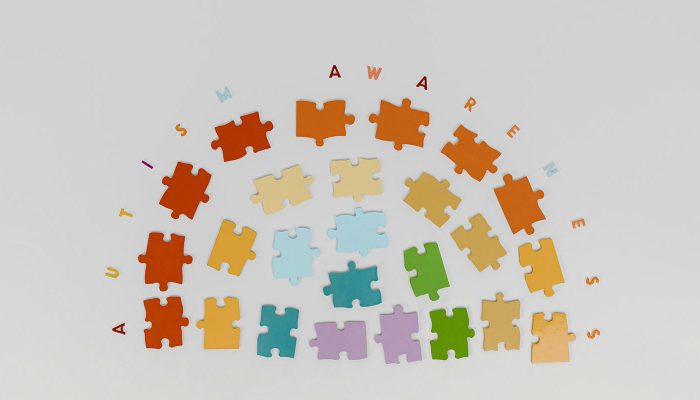
In recent years we have become more open to talking about neurodiversity in the workplace. While still far from perfect, more and more businesses strive to share awareness among their teams, as well as create safe and inclusive spaces, supporting neurodiverse team members.
ADHD (Attention Deficit Hyperactivity Disorder) is said to affect approximately 2-4% of adults in the UK, with many remaining undiagnosed. Industries where creativity and agility is key, often see neurodiverse individuals thrive, but there are also many unique challenges.
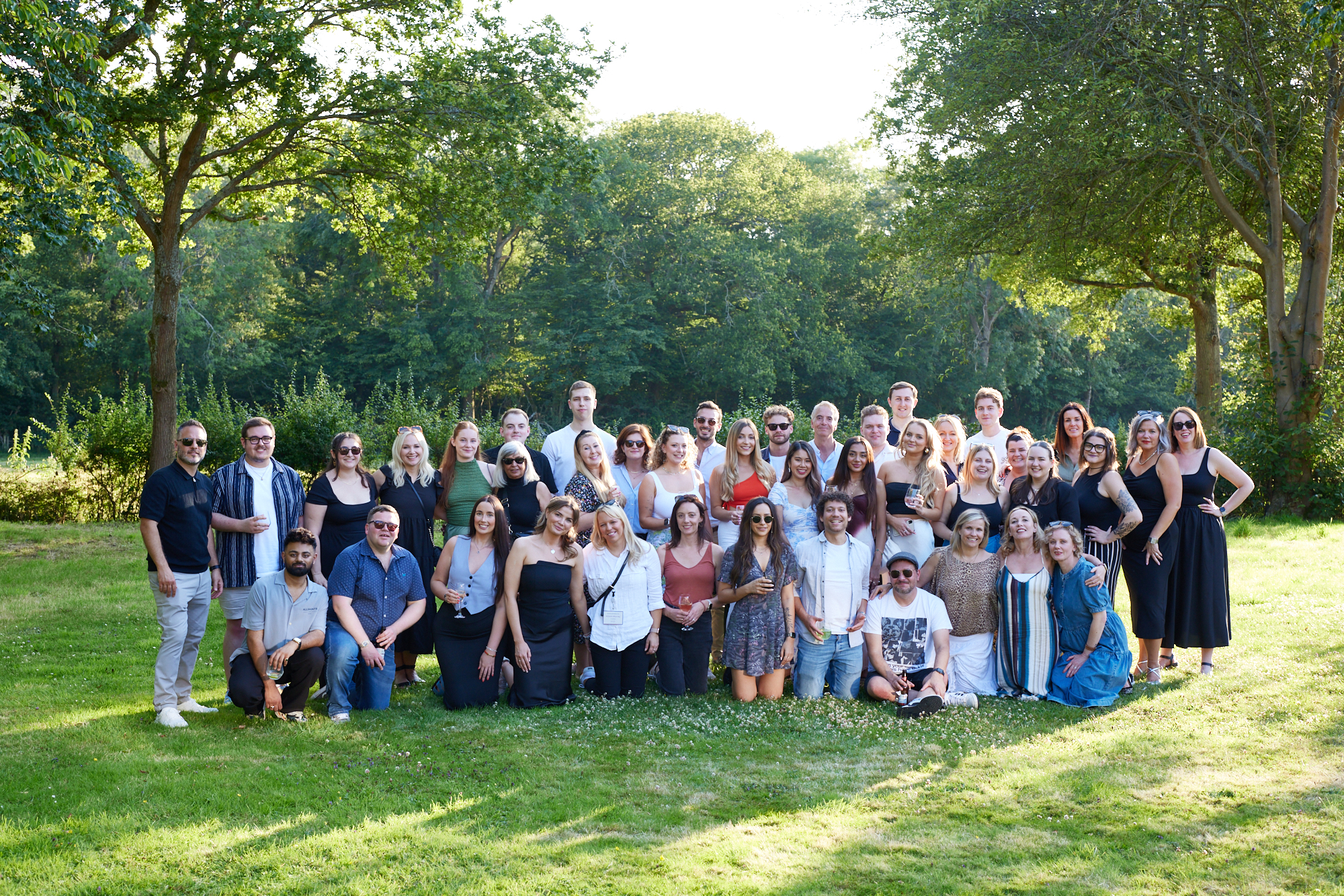
At Space & Time, mental health and neurodiversity are key parts of our wellbeing approach. As part of the employee support programme, I recently completed a Coping Mechanisms Course focused on managing ADHD in the workplace. What stood out most was how many small, everyday strategies can make a meaningful difference, not just for neurodivergent colleagues, but for anyone navigating their busy work lives.
Below, I’m sharing a selection of these lived experiences and practical advice that members of our team use to manage focus, energy, structure and communication throughout their day.
Managing Impulsivity and Feeling Overwhelmed
- ‘’ADHD sometimes makes it harder to process incoming tasks and prioritising, often leading to stress and impulsivity. What I find useful is using the Eisenhower Matrix to sort the tasks by how urgent they are. This helps visually determine if I need to action it immediately.’’
- ‘’Learning to take a pause before responding instead of immediately saying yes gave me that moment to determine whether I have capacity to take on more work.’’
Setting Boundaries and Communicating Clearly
- ‘’Being direct when accepting tasks helped me avoid misunderstandings, I had to really focus on communicating when I’m at capacity. This helped with workload redistribution.’’
- ‘’It really was a game-changer to understand messages in a group chat are not addressed directly to me. This simple boundary greatly reduced the subconscious pressure I was feeling.’’
Task Management
- ‘’Breaking up big tasks into smaller chunks makes them more actionable.’’
- ‘’Asking for detailed instructions helps reduce relying just on memory and makes sure the task completed correctly the first time, with no back and forth.’’
- ‘’Tracking achievements in a journal helps me reflect on my progress and reinforces the feeling of accomplishment.’’
Emotional Regulation and Focus
- ‘’I use a fidget toy whenever I feel overstimulated. It calms my nervous system and helps me focus.’’
- ‘’When I work on a bigger task, I put do not disturb on, and only check emails at set times, which helps me avoid distractions.’’
Time Management
- ‘’I have a reminder set on my work laptop to refill my water bottle. It helps me not forget to stay hydrated, but also having a moment away from the screen helps me avoid staying hyper focused for too long.’’
- ‘’I tell my manager when my workload feels overwhelming, they are usually empathetic and redistribute tasks among the team if needed.’’
Leveraging Strengths
- ‘’I learned to use my personality and communication style to build strong client relationships. Taking initiative and following up also helps me ensure the clients are happy with their campaigns!’’
Why This Matters
Creating inclusive workspaces shouldn’t just be about compliance. Neurodivergent employees often bring creativity and out-of-the-box thinking, which is a rare asset that can be used for achieving great results. By implementing strategies and encouraging communication, agencies can empower neurodivergent team members to thrive, naturally strengthening teams and culture.
Space & Time is committed to fostering this environment, ensuring that every colleague feels empowered to work in a way that supports their strengths and wellbeing.
Related Reading
Explore more of our content on wellbeing, diversity, and people-first culture below, or get in touch at https://spaceandtime.co.uk/contact.