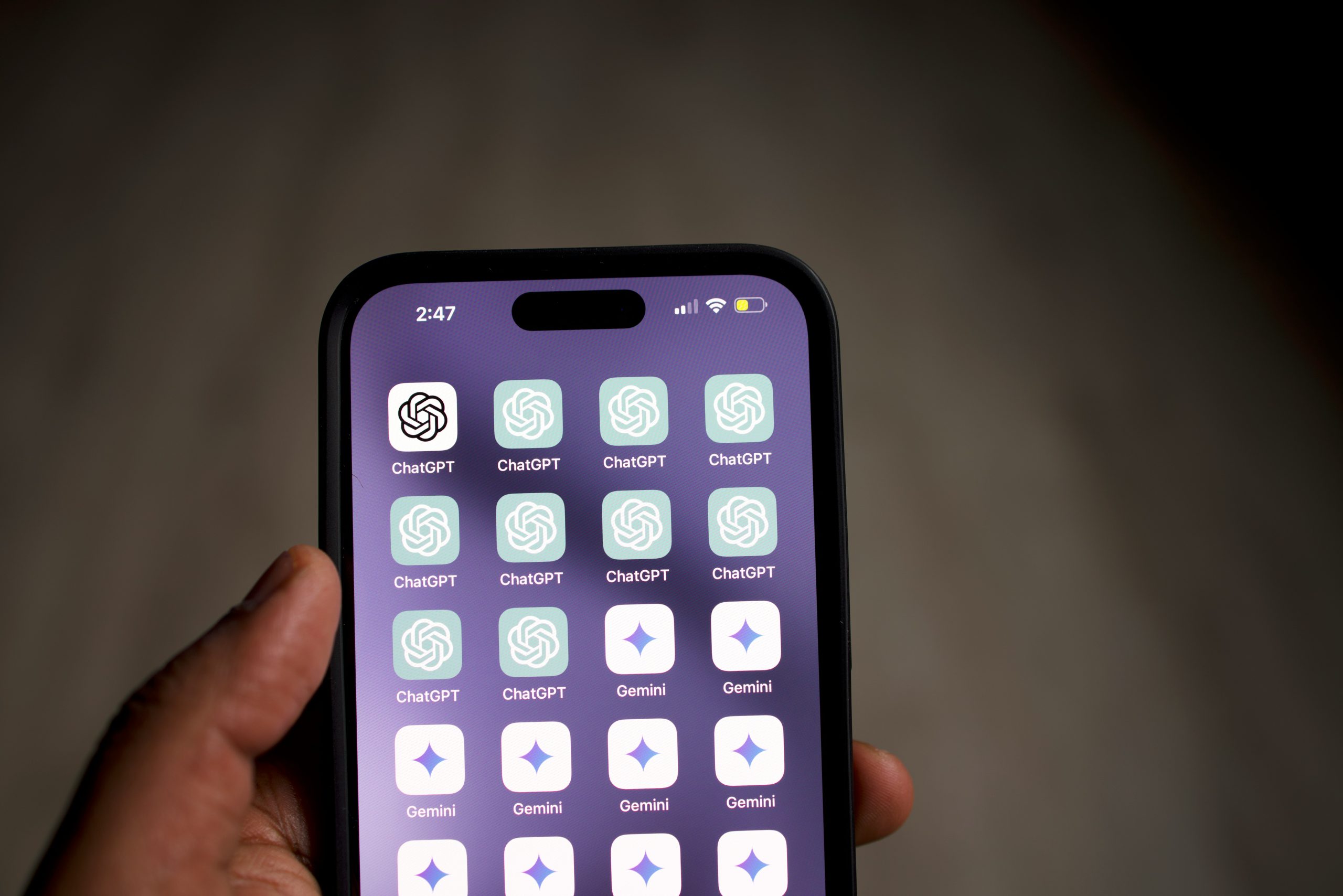

Hot on the heels of ChatGPT firing the starting pistol, with their Stripe Integration in the US, Google has quickly and inevitably reacted to the ‘bang.’
Exciting times, as we enter the new era of ‘agentic commerce,’ where AI agents help shoppers move from inspiration to checkout and post purchase support with far less friction.
The announcement introduces the Universal Commerce Protocol (UCP) alongside Business Agent, Direct Offers, and richer Merchant Center attributes. Taken together, this is meaningful in how discovery, decision making and buying will work across Google’s AI shopping support platforms (or ‘surfaces’ as they are catchily called).
With 25 years ‘in the trenches’ our early take is simple: this is clearly a commercial opportunity for eCom brands.
UCP is about creating a common language bridge between consumer AI experiences, within AI mode, retail systems, and payment providers so that intent can flow into carts and payments with provable consent, and brands can show up with the right product, the right offer, at the right time.
Find out why it matters and what it means for eCommerce brands in the UK, and the actions Space & Time recommends now.
So, what is it? (in plain English)
- What Even is ‘Agentic AI’: Agentic AI refers to autonomous AI systems that can make decisions, take actions, and optimise search outcomes without constant human input. In eCommerce, it can power things like dynamic pricing, personalised shopping experiences, inventory management, and even automated marketing campaigns. Unlike traditional AI, agentic models act proactively, predicting trends, adjusting strategies in real time, and driving growth with minimal oversight. Using them enables brands to scale faster, reduce operational friction, and deliver hyper-relevant experiences that can enhance and take some of the conventional legwork out of conversion pathways and loyalty flows.
- ‘Universal Commerce Protocol’ (UCP): An ‘open standard’ that lets AI agents and retailer systems talk to each other across the shopping journey from discovery, purchase, and post purchase. It is compatible with existing protocols such as Agent2Agent (A2A), Model Context Protocol (MCP) and Google’s Agent Payments Protocol (AP2). But apart from that jargon (we did promise plain English), early development partners include Shopify, Etsy, Wayfair, Target and Walmart, with several of the other big players actively endorsing it. So, it is in the ‘big thing’ category.
- ‘Agentic Checkout on Google’s AI surfaces’: What this means is that, in the US, shoppers will soon be able to purchase directly from eligible product listings in AI Mode, in Search and in the Gemini app, initially using Google Pay (with PayPal support coming “soon”), passing shipping details from your Google Wallet. Retailers stay in control, as the merchant of record and can customise the integration. Global rollout is planned for the coming months.
- ‘Business Agent’: A brand-voiced, chat-based “virtual sales assistant” that appears on Search, answers product questions, and will be developed to support direct purchases and ‘curated’ offers. Activation and customisation will be via Merchant Center.
- ‘Direct Offers’: This is in ‘pilot’ but means that retailers can present exclusive discounts in AI Mode when Google’s systems detect a shopper ready to buy. This feature is planned to be expanding later to bundles, free shipping and loyalty.
- ‘New Merchant Center attributes’: Dozens of conversational attributes; answers to common product questions, compatible accessories, alternatives, and substitutes will improve visibility and relevance when searching in AI Mode, Gemini, and Business Agent.
The gravity of that already existing partner list (mentioned earlier) suggests this is the start of a strategic intent that aims to standardise agentic shopping flows across discovery, payments, and customer service.
Why It is Actually Important
Search behaviour is moving from traditional queries to conversational, intent-based prompts. UCP’s job is to translate those prompts into structured data and actions that the retailer systems can interpret, stock checks, price, shipping, loyalty, and payment authorisation, as a standard and without bespoke integrations for every agent. That lowers development cost and speeds up purchases.
Coupled with Google’s prior Agent Payments Protocol (AP2) means that Google’s ecosystem is converging on cryptographically provable consent and a reliable audit trail from intent to payment. This is important for compliance, dispute resolution and consumer trust, an increasingly important signal for consumers across all demographics.
Merchant of record stays with the retailer, meaning that retailers keep ownership of business coordination, tax, fulfilment, and customer service. This preserves margin control and data ownership while benefitting from Google’s search, discovery, and transaction rails. That is a desirable difference from closed marketplace models and should resonate with brand owners.
Less tab-switching and fewer barriers to checkout, by embedding checkout inside AI Mode and Gemini, Google is attacking the psychology of cart abandonment: the further a user must go, the more friction develops in the journey. Agentic checkout reduces this as a potential behaviour.
Product data quality becomes the new ‘merchandiser’ as the expanded Merchant Center attributes are a ‘polite nudge’ that conversational discovery needs answer ready product data descriptions (compatibility, care instructions, substitutes, and accessories).
Brands that embrace structured, enriched, and frequently refreshed data will win on visibility in AI Mode and Business Agent. Not being in tune with this will result in products being invisible in conversational contexts.
Open standards: You are able to plug in, test and iterate sooner, and your development costs are minimised due to a “common language” standard.
What This Means for eCommerce Brands (Our perspective)
Even though this starts with eligible U.S. retailers and expands globally (and vaguely) “in the coming months,” UK brands should treat this as imminent, and build for that future now.
Discoverability and consideration in AI Mode are already international, and product description data quality is not location-bound.
So,
- Think ‘organically’ for AI Mode:
Optimise for answers, attributes, and context, not just keywords. Build product content that anticipates conversational queries like “durable vegan leather tote for rainy commutes,” with structured attributes for care, compatibility, substitutes, and accessories.
- Develop your “brand voice in Search”:
Prepare your Business Agent playbook: tone of voice, boundaries (what it can/cannot say), escalation and complaint rules and data sources for Q&As, sizing guides, UGC reviews. This is your opportunity to sell in conversations rather than rely on just conventional FAQ sections.
- Get payments ready for agentic flows:
Audit your payments for compatibility with Google Pay / Wallet and PayPal for the first cohort of payment options.
- Feed discipline is an opportunity, not a curse:
Your product feed hygiene (titles, attributes, taxonomy, availability, and price accuracy) drives how well AI Mode floats you to the surface. Pair feed optimisation with a data enrichment strategy to raise match rates, which will help conversion.
Bottom Line
Agentic commerce is not a future concept; it is undeniably here. The winners in eCom in the UK will be the brands who:
- Show up in conversation with answer-rich product conversations and data.
- Convert ‘in’ the journey, not at the end, with the right value signal at the right moment.
- Retain control and map how your business can maintain what makes it unique, while leveraging common, open standards as you scale.
- Test and learn by engaging in deeper, conversational, and contextual interactions between your products and your audience to surface your brand as the answer to the questions you customers are asking.
Space & Time can help you get there. From feed enrichment and conversational organic search techniques, to offer injection points, so that you and your brand are already ahead in Agentic AI shopping.
Want a tailored readiness assessment?
We’ll map where you are visible (and where you are not) in AI Mode, identify the attribute gaps that matter most, and scope a 90-day plan to improve discoverability and conversion in agentic commerce.
Contact us for a chat about how Space & Time can help you embrace the future of eCommerce today and subscribe to our newsletter as we will be exploring the rise of Agentic AI throughout 2026.
https://blog.google/products/ads-commerce/agentic-commerce-ai-tools-protocol-retailers-platforms/