Intersectionality is a framework that helps us understand how different aspects of our identity, such as race, gender, sexuality, disability, age and socioeconomic background, interact to shape our experiences of the world.
Why Intersectionality Matters at Space & Time
Daniel Jones
Managing Partner - Affordable & Emerging Property

Agency newsIndustry
For many people, identity is not defined by a single characteristic. Instead, it is made up of multiple overlapping identities that can influence the opportunities, challenges and perceptions we encounter.
For example, I am a white, gay man who was raised in a working-class family. My experiences are shaped not simply by my sexuality or my socioeconomic background, but by the combination of both. This is intersectionality in practice.
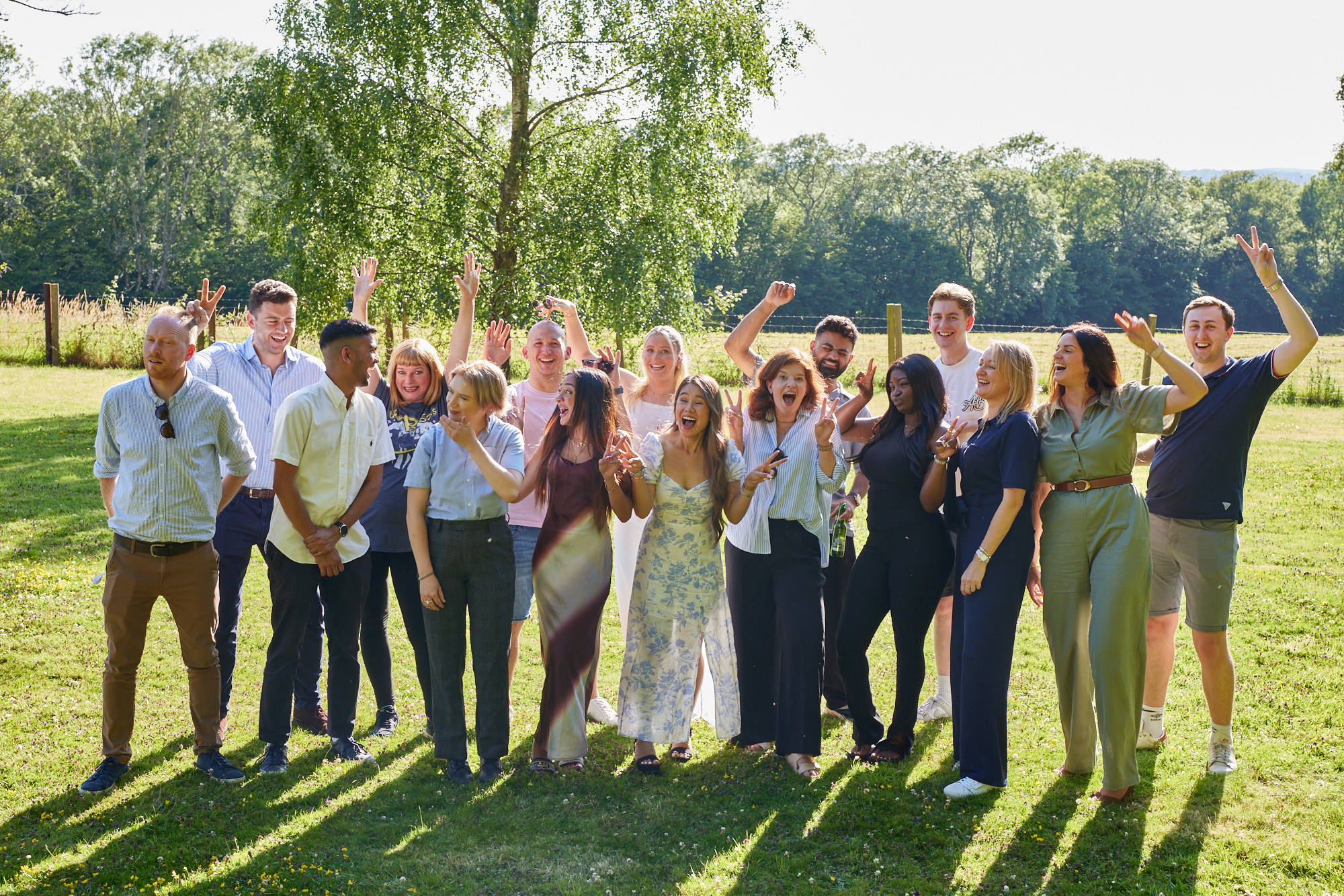
At Space & Time, understanding intersectionality is an important part of creating a genuinely inclusive workplace. We are a diverse team working across different offices, disciplines, clients and career stages, and none of us fits neatly into a single demographic category.
Why does it matter?
Intersectionality matters both in and outside the workplace because it helps us understand how privilege and discrimination can exist simultaneously within an individual’s experience. At Space & Time, it also reminds us not to make assumptions about colleagues based on one visible or known aspect of who they are.
As a working-class gay man, I recognise that my ethnicity provides certain privileges. Living in a predominantly white society means I do not face some of the barriers or prejudices that many ethnic minority communities may experience when accessing services, pursuing opportunities or navigating everyday life. Recognising this privilege helps me better understand the experiences of others and empathise with challenges that I may never personally encounter.
At the same time, my sexuality can expose me to discrimination that heterosexual people are less likely to experience. Although attitudes towards LGBTQ+ people have improved significantly over recent decades, prejudice has not disappeared entirely. Many of the stereotypes and misconceptions once directed at gay people continue to be used against other groups today, demonstrating how discrimination can evolve rather than disappear.
My socioeconomic background has also influenced my experiences. Research has shown that people from working-class backgrounds often face additional barriers to career progression and are underrepresented in senior leadership positions. This can affect opportunities, confidence and perceptions of professional fit, even when skills and performance are comparable.
What does this mean for DEI at Space & Time?
For our diversity, equity and inclusion work at Space & Time, intersectionality encourages us to move beyond a one-size-fits-all approach. It means listening to a wide range of employee experiences and considering how our policies, benefits, development opportunities and day-to-day ways of working may affect people differently.
When we focus on only one characteristic at a time, we risk overlooking colleagues whose identities span multiple groups. A development initiative designed to support women, for example, may not fully address the experiences of women from ethnic minority backgrounds, disabled women, LGBTQ+ women or women from different socioeconomic backgrounds.
Applying an intersectional lens can help us ask better questions: whose voice might be missing, who may experience an unintended barrier, and whether everyone has equitable access to opportunities. This is relevant across recruitment, progression, mentoring, wellbeing, flexible working, social activities and the way we collaborate with one another and our clients.
Ultimately, intersectionality is not about creating a hierarchy of discrimination or expecting anyone to be an expert in somebody else’s experience. It is about staying curious, listening without assumptions and recognising the complexity of the people around us. By bringing that mindset to our conversations and decisions at Space & Time, we can continue building a culture where every colleague feels seen, valued and able to thrive.
Read our latest news and thoughts.
It’s time for DEI to get classy
In 2018, Barack Obama said we’re living in strange and uncertain times, and that statement is as true...
Daniel Jones
Managing Partner - Affordable & Emerging Property
Supporting Neurodiversity in the Workplace: Practical Tips to Help Manage Your Day to Day activities
This blog’s aim is to share some of the strategies our neurodiverse team members implement in their routines to help manage neurodiversity…
Unknown Author
No job title provided

Trans Awareness Week
In the latest of Space & Time’s Equal Bites lunch and learn sessions we were very pleased to...
Nicki Thornley
HR Director


BIMA Digital Day
To those looking to get into the industry, a career in marketing can often seem daunting. The roles...
Emma King
Marketing Manager