
Happy New Year to everyone!
For many, 2025 was the year of AI. AI dominated business conversations, user-generated AI tools increased rapidly, and spending surged. AI wasn’t born in 2025, but it was definitely a defining year for it.
We saw countless updates, new tools and new versions. However, real integration and practical value are still some way off. This year is set to make progress on turning AI into something genuinely useful for businesses, but it won’t all happen in 12 months.
The Financial Times, with MIT Technology Review, published The State of AI: Life in 2030, suggesting that while AI will bring widespread change, the pace of societal and economic transformation is likely to be more gradual and uneven than the hype suggests.
Let’s see how many changes, and how much news, this year brings. In the meantime, below are a few updates from December.
ChatGPT’s next step: ads on the way
A leaked code snippet from OpenAI’s Android beta suggests ChatGPT may soon start showing ads, with mentions of features like ‘bazaar content’ and a ‘search ads carousel’. This move towards monetisation isn’t surprising, given the huge investments in AI and the need for a sustainable business model. OpenAI is under financial pressure, with plans for data centre spending in the hundreds of billions, while the company remains unprofitable and reliant on ongoing fundraising. Sam Altman, OpenAI’s CEO, has said he’s against ads that influence what ChatGPT recommends, but is open to transaction fees that don’t affect results, though how this will work in practice is still to be confirmed.
Why it matters:
As AI hype meets financial reality, ChatGPT’s shift towards advertising could change how users and brands interact with the platform. It raises fresh questions about trust, privacy, and the user experience. For brands, it opens up new ways to reach audiences through AI platforms, but also means navigating a more commercialised and potentially crowded space. With OpenAI under pressure to turn a profit, we’re likely to see more features designed to generate revenue, making it even more important for users to stay alert to how recommendations are made and what influences them. This new year, expect more commercial features and a changing landscape for both users and advertisers.
Meta AI and personalisation: your Chats, your Ads
Meta now uses what you say to its AI chatbot on Facebook, Instagram, Messenger, and WhatsApp to tailor the ads and content you see. This only applies to conversations with Meta AI, not your private chats with friends or family. So, if you ask Meta AI about sleep tips, you might notice more wellness advice and related adverts popping up in your feed. It’s another step towards making your online experience a bit more relevant to your interests.
Why it matters:
For most people, this means seeing ads and suggestions that are more in line with what they’ve talked about with Meta AI. It’s a reminder to be mindful of what you share with chatbots, but for many, it will simply feel like a small tweak to how social feeds work. From an advertising perspective, this opens up new ways to connect with audiences based on their interests, alongside a continued need to balance personalisation with privacy.
OpenAI’s ‘Code Red’ and Google’s Gemini 3: the race intensifies
The AI race stepped up a gear this month. OpenAI declared a ‘code red’, with CEO Sam Altman pushing for rapid improvements to ChatGPT as Google’s Gemini 3 made headlines. Gemini 3 has set a new standard for reasoning and multimodal performance, shifting attention away from ChatGPT for the first time in years. Most teams are still mixing and matching models to get the best results, and the pace of change isn’t slowing down. It’s also a reminder that a model leading today may quickly be overtaken by a competitor’s new release
Why it matters:
2025 was the year AI competition truly heated up. For now, Gemini 3 is topping public leaderboards and new data from SimilarWeb shows Gemini’s share of generative AI web traffic in 2025 has jumped from 5% to 18%, while ChatGPT’s has dropped from 87% to 68%. With Gemini gaining ground and ChatGPT facing real pressure, the landscape is changing quickly. In 2026, expect even more innovation and further shifts in who leads the pack, with Gemini likely to attract more generative AI traffic. Meanwhile, Microsoft’s Copilot has barely moved the dial in terms of traffic share and has even dipped slightly, while Grok has seen a modest increase of 0.8 percentage points.
Advancing Image Generation: Nano Banana Pro and ChatGPT Images
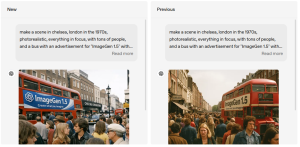
If Google’s Nano Banana AI image model stepped up to its Pro version at the end of November, delivering visuals that look strikingly real and shaking up the industry, just weeks later in December OpenAI followed with a major upgrade to ChatGPT’s image capabilities. The new ChatGPT Images feature, powered by its flagship model, offers up to four times faster generation, precise edits that preserve key details, and creative transformations without losing the essence of the original image. Users can now edit, combine, and restyle images with ease, turning ChatGPT into something closer to a creative studio than a simple chatbot.
Why it matters:
These updates mean campaigns and product visuals can be produced faster and with higher polish, without the heavy lifting of traditional design. Realistic imagery and advanced editing unlock new creative possibilities for marketing, e-commerce, and social content. For everyday users, it’s about convenience and creativity: tools that feel practical and intuitive, helping ideas move from concept to reality without fuss. That said, it remains essential to keep human review and creative input at the heart of the process. AI can accelerate production, but human judgement and originality ensure quality, authenticity, and brand voice.